Non-Disclosure Agreement Template
Whether you're collaborating with partners, negotiating a merger, or simply sharing confidential data, our NDA template ensures your business information is always protected.
Meticulously crafted by our team of experts, the non-disclosure agreement template covers the required terms and conditions that ensure involved parties understand their obligations, consequences, and the circumstances under which the agreement may be terminated or enforced.

We have got you covered
Our non-disclosure agreement template comes with a pre-structured layout that helps you craft professional NDA agreements in no time.
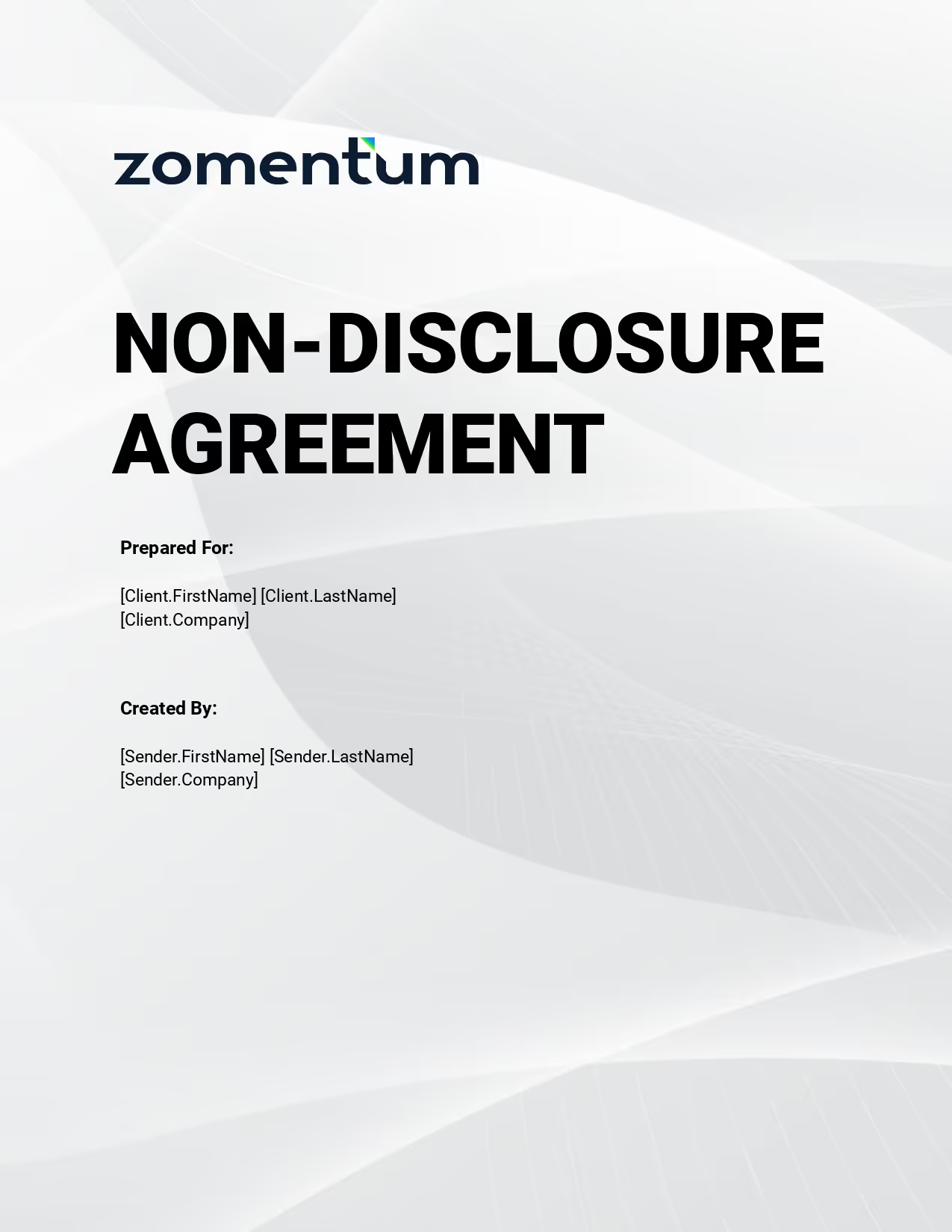



What will you get in the NDA template?
Our non-disclosure agreement template comes with a pre-structured layout that helps you craft professional NDA agreements in no time.
Frequently
Asked Questions
With an NDA, you can protect confidential information, such as trade secrets (e.g., formulas, processes), business strategies, intellectual property (e.g., inventions, software code), financial data, customer or client lists, and proprietary agreements. It can also cover marketing plans, employee details, product designs, research and development data, vendor contracts, and partnership terms.
Essentially, any sensitive or non-public information that could harm your business or provide a competitive edge to others, if disclosed, can be safeguarded by an NDA. This ensures that the recipient cannot share or misuse the information.
A Non-Disclosure Agreement (NDA) is a legally binding contract designed to protect confidential information from being shared with unauthorized parties. The primary purposes of an NDA include:
- Protecting Confidential Information: An NDA ensures that sensitive information, such as trade secrets, proprietary data, intellectual property, or personal details, is kept private and not disclosed to third parties.
- Establishing Trust in Business Relationships: In business negotiations or partnerships, NDAs allow parties to share sensitive information without fear of it being misused or leaked.
- Clarifying the Boundaries of Disclosure: NDAs define what information is considered confidential, who is permitted to access it, and under what circumstances it can be shared.
- Providing Legal Recourse: If a party breaches the NDA by disclosing protected information, the agreement provides grounds for legal action, such as seeking damages or an injunction.
NDAs are commonly used in a variety of contexts, such as employment agreements, business deals, and collaborative projects.
A Non-Disclosure Agreement (NDA) is a legally binding contract between two or more parties that outlines confidential material, knowledge, or information that the parties wish to share with one another for specific purposes but wish to restrict from wider use or dissemination.
In simple terms, an NDA ensures that sensitive information shared between parties remains private and is not disclosed to third parties.
If you break a Non-Disclosure Agreement (NDA), several consequences could follow, depending on the terms of the contract and the severity of the breach. Common consequences include:
1. Legal Action and Lawsuits: The party whose confidentiality was breached may sue the offending party for damages, including, injunctions, compensatory and punitive damages.
2. Financial Penalties: The NDA might specify financial penalties, such as fines or liquidated damages, which the breaching party would be required to pay.
3. Reputational Damage: Breaking an NDA can harm your professional reputation, making it difficult to build future business relationships or work with other companies or partners who value confidentiality.
4. Termination of Contract or Business Relationship: The breach may lead to the termination of any ongoing or future business relationships. For example, if you are an employee, the company might fire you.
5. Criminal Liability: In extreme cases where the information disclosed involves trade secrets or sensitive data (such as government secrets or protected intellectual property), criminal charges could be filed under laws like the Economic Espionage Act.
Breaking an NDA carries significant risks, and the specific penalties will depend on the terms of the agreement and the legal jurisdiction involved.
A Non-Disclosure Agreement (NDA) can be used to protect sensitive or confidential information in a variety of situations. Here are some common uses:
1. Business Partnerships and Collaborations: When two or more businesses collaborate, an NDA can protect proprietary information such as trade secrets, strategies, financial data, or other sensitive details that need to be shared for the partnership to work.
2. Employee Confidentiality: Employers often require employees to sign NDAs to protect company secrets, intellectual property, client information, or other sensitive internal data.
3. Client or Vendor Relationships: When sharing confidential information with clients or vendors, an NDA ensures that the information remains protected.
4. Freelancers and Contractors: NDAs can protect a company’s information when working with freelancers, independent contractors, or consultants.
NDAs are valuable tools to maintain privacy and security in a wide range of business and professional scenarios, ensuring that sensitive information stays protected.
The three common types of Non-Disclosure Agreements (NDAs) are:
- Unilateral NDA (One-way NDA): In this type of agreement, one party agrees to disclose confidential information to another party, and the receiving party agrees not to disclose that information to anyone else.
- Bilateral NDA (Mutual NDA): Both parties are disclosing confidential information to each other, and both agree to keep the other's information confidential.
- Multilateral NDA: Involves three or more parties where at least one party discloses confidential information to the others, and all parties agree to protect the confidentiality of the information.
These NDAs serve to protect sensitive information and foster trust during business dealings or collaborations.
Writing a basic Non-Disclosure Agreement (NDA) involves outlining key sections that clearly define the terms of confidentiality. Here's a brief overview of the essential sections:
- Introduction: Identify the parties involved (e.g., Disclosing Party and Receiving Party).
- Definition of Confidential Information: Specify what constitutes confidential information, such as trade secrets, business strategies, or intellectual property.
- Obligations of Receiving Party: Outline how the receiving party must handle the confidential information and ensure it remains private.
- Exclusions from Confidentiality: Define any exceptions, such as publicly available or previously known information.
- Duration: Specify how long the agreement and confidentiality obligations last.
- Consequences of Breach: Detail the penalties or legal actions for violating the NDA.
Instead of starting from scratch, save time by downloading our pre-built non-disclosure agreement template, tailored to cover all these essentials.
The validity period of a non-disclosure agreement is not predetermined by default and can vary depending on the specific needs of the parties involved. Typically, the parties agree to maintain the confidentiality of the shared information for a period ranging from one to ten years.
It is common practice for an NDA to remain in effect for several years, even after the parties have ended their business relationship. In certain cases, however, the agreement can be perpetual, with no expiration, often dictated by company policies and the highly sensitive nature of the information being protected.
An NDA does not need to be notarized to be legally binding. The primary requirement for an NDA to be enforceable is that it must be a written agreement voluntarily signed by all parties involved. Notarization is generally not required unless one of the parties prefers it for extra assurance or if local laws or specific circumstances require it.
However, notarization can add a layer of formality and help confirm that the signatures are authentic, but it is not a typical or necessary step for most NDAs.
Yes, you can absolutely create your own NDA without needing a lawyer. While a lawyer can help with complex agreements, many standard NDAs are straightforward and can be created using templates or online tools. You just need to cover the basic elements like identifying the parties, defining confidential information, outlining obligations, and specifying the duration.
To make the entire process even easier, Zomentum streamlines the creation of NDAs, agreements, quotes, and proposals. Our sample non-disclosure form comes with a pre-structured layout that enables you to craft professional NDAs in no time.
Invest your time in building client relationships,
not crafting sales proposals.
Average Win Rate on Proposals
Build Quote with our AI Module
Jump In Conversion Rate
More templates you might find useful
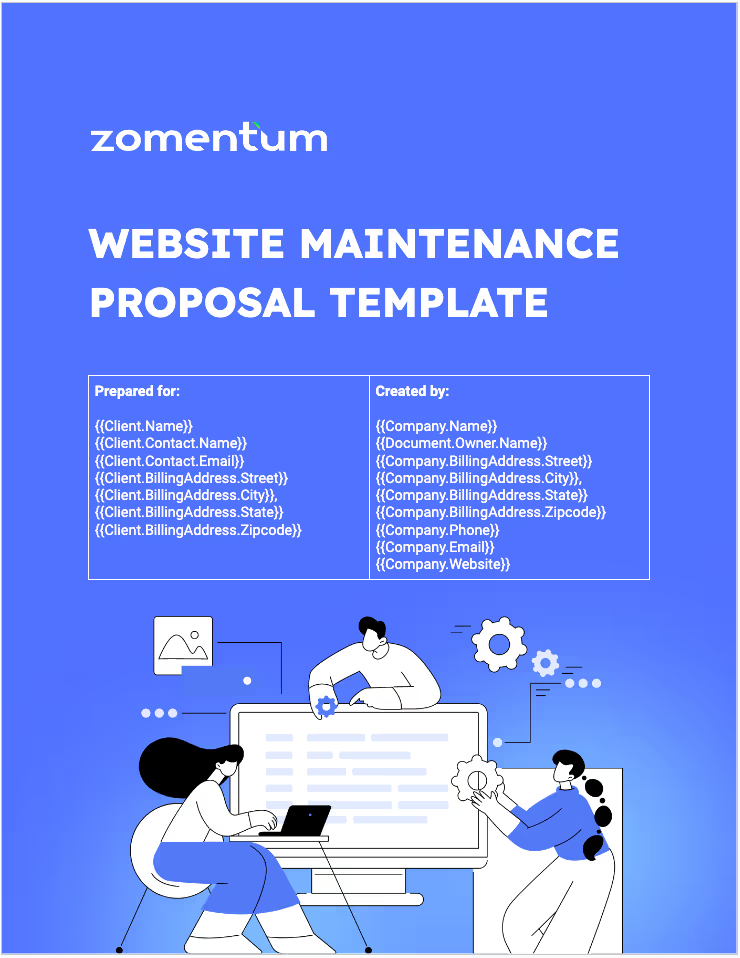
Website Maintenance Proposal Template
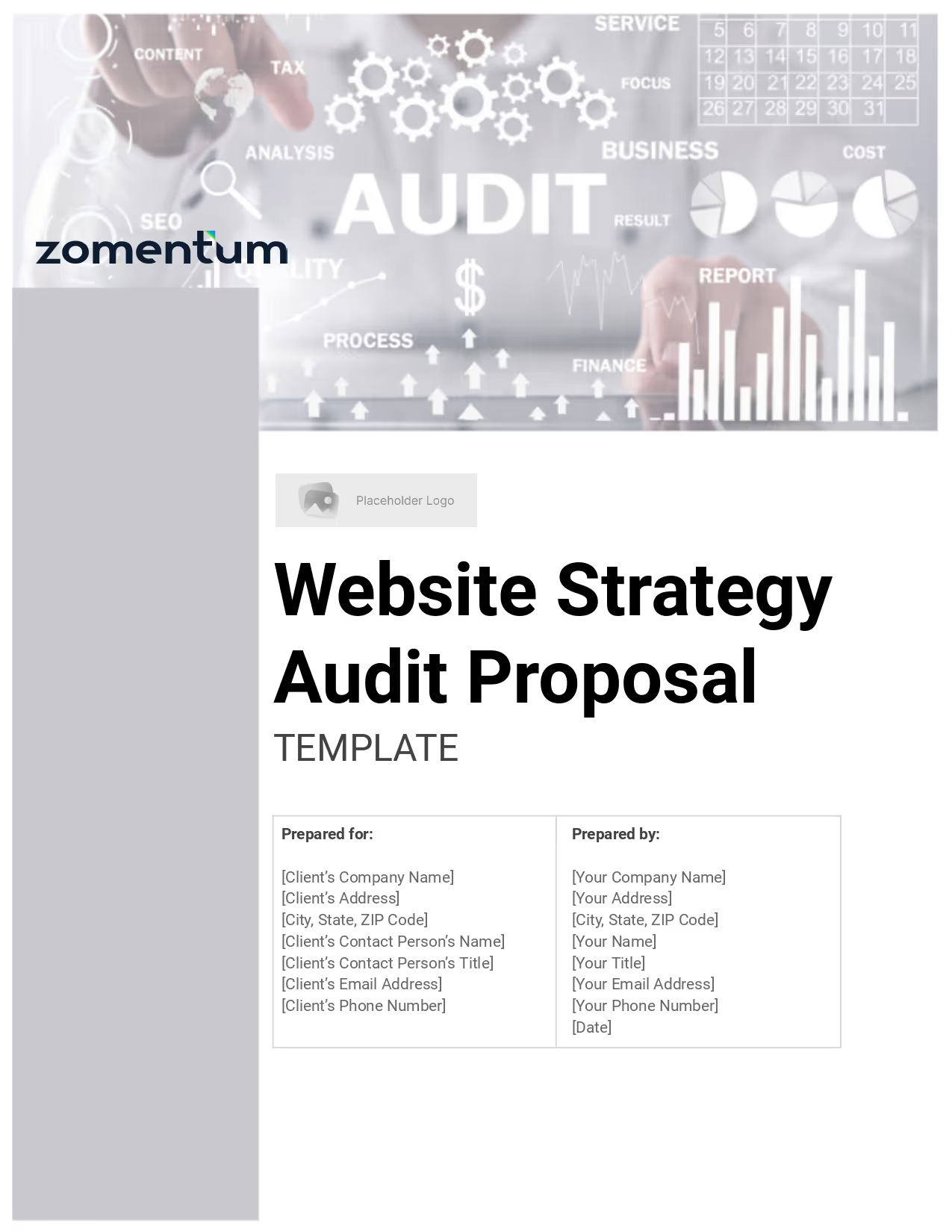
Website Strategy Audit Proposal Template
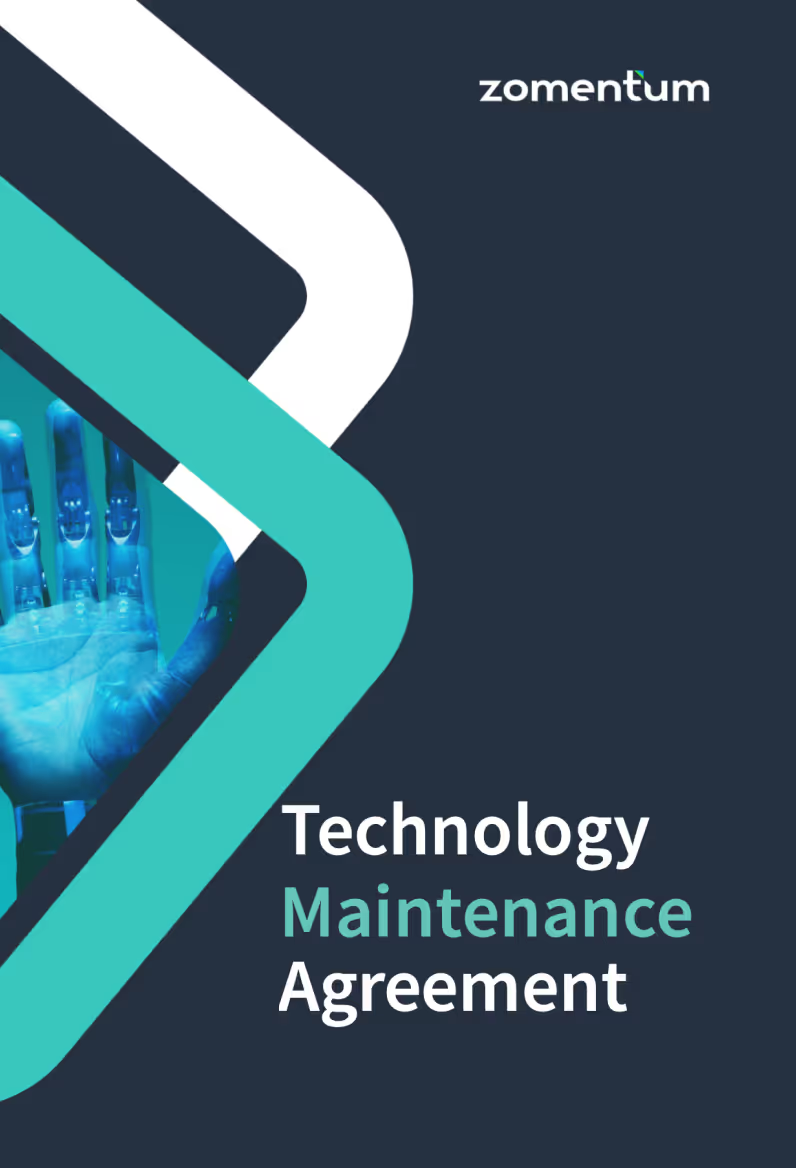
Technology Maintenance Agreement Template
What our Customers say about us
No clunky spreadsheets. No more multiple tools & endless tabs. Just revenue. Zomentum’s AI powers your

"Initially, we used it to overcome Microsoft's NCE hurdles with digital signage agreements. But then we discovered its versatility. Now, we rely on Zomentum to effortlessly build proposals, create business cases, and attach quotes directly to the proposal. It's streamlined our entire process, from proposal to billing. And it also integrates seamlessly with Autotask - our PSA and allows us to pull products and services from our inventory effortlessly."


"With the AI Proposal Writer, we save 1 hour every day, allowing us to focus on other important tasks. The Template Library has been a lifesaver, enabling us to swiftly create quotes across various products. Zomentum's standardization of our proposals ensures consistent messaging for all clients, resulting in improved quote-to-closure rates."


"The document template makes our sales proposals a more modern experience with embedded videos and multi-stakeholder digital signatures with a customizable sales pipeline system. Zomentum replaces multiple products with a single, fully integrated solution that solves many of the challenges we encountered with other platforms."


"Zomentum has truly transformed our proposal process, making it more efficient and professional. With its revenue automation features, we've experienced a remarkable increase in productivity, saving us valuable time. The AI Writer is a game-changer, allowing us to create personalized and high-quality content for each proposal quickly. It has significantly improved our lead conversion rate, enabling us to focus on the next opportunity."

Leave Documents to Us
You go Win Deals!
Create, share, sign and get paid all on Zomentum.