Website Strategy Audit Proposal Template
Easily create website strategy audits tailored to your clients—whether you're targeting C-suite executives or marketing teams. This 100% customizable marketing proposal template helps you present your services, scope of work, and pricing in a way that fits your brand and salvage client’s needs.
Save time and deliver professional proposals every time with Zomentum’s free templates.

We have got you covered
Our website strategy audit proposal template comes with a pre-structured layout that enables you to craft professional proposals in no time.
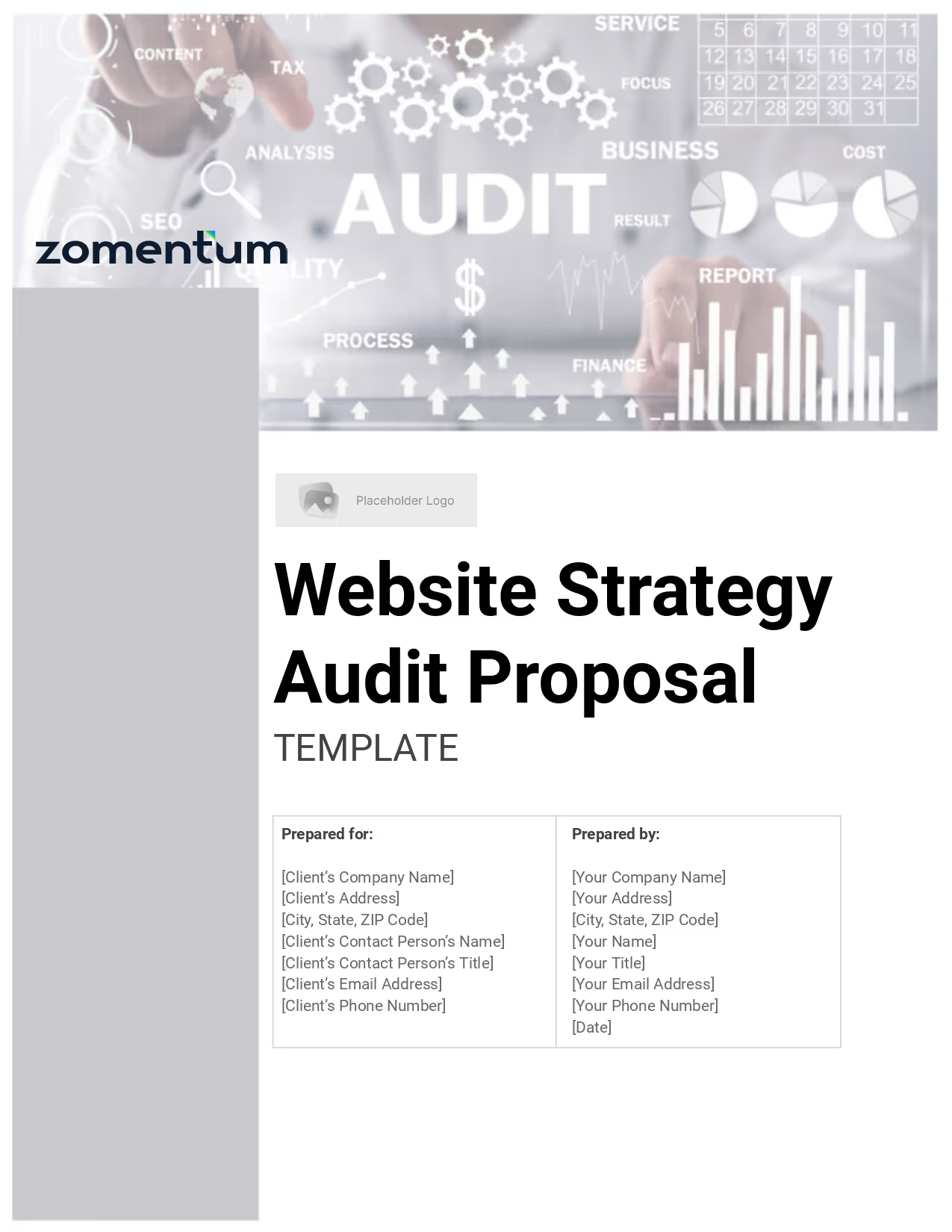

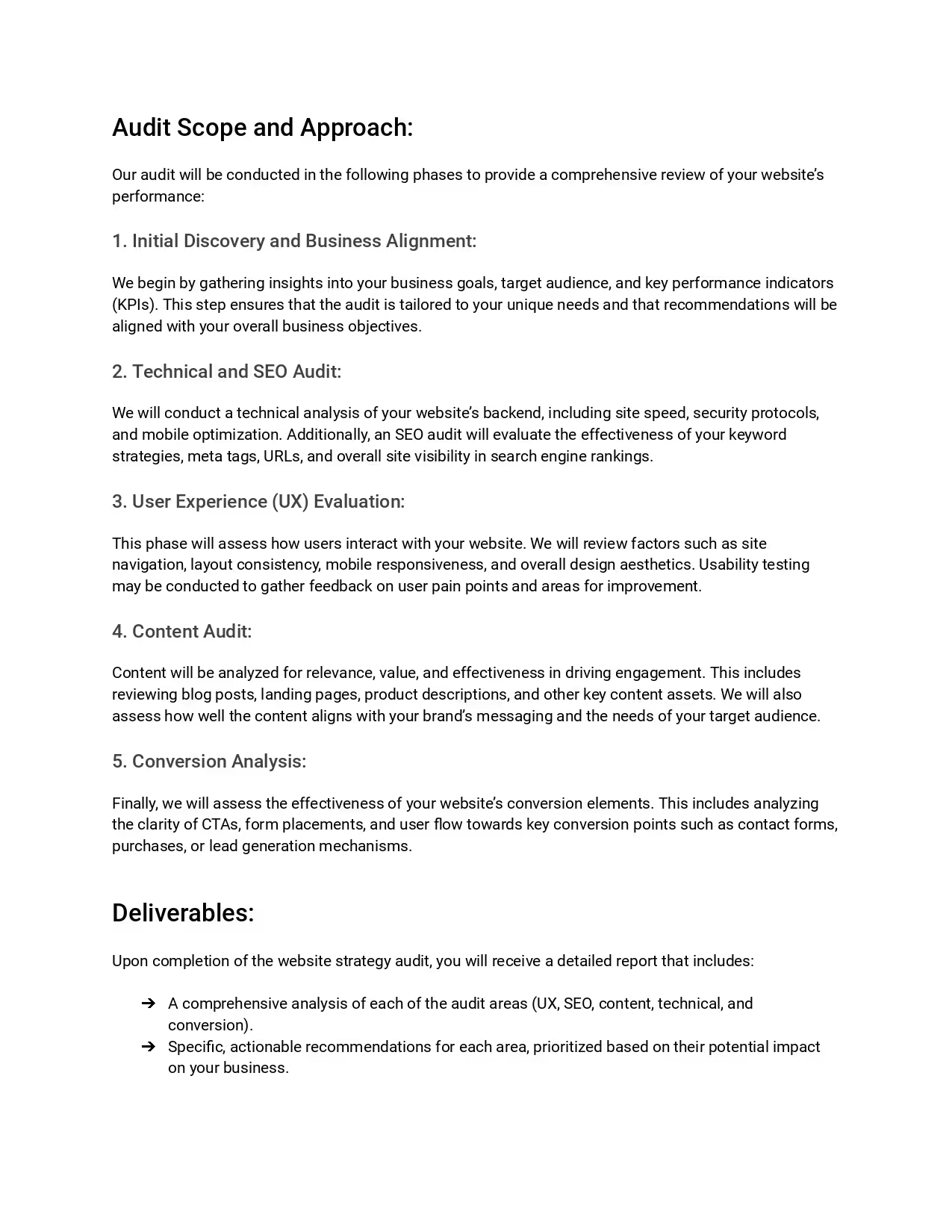
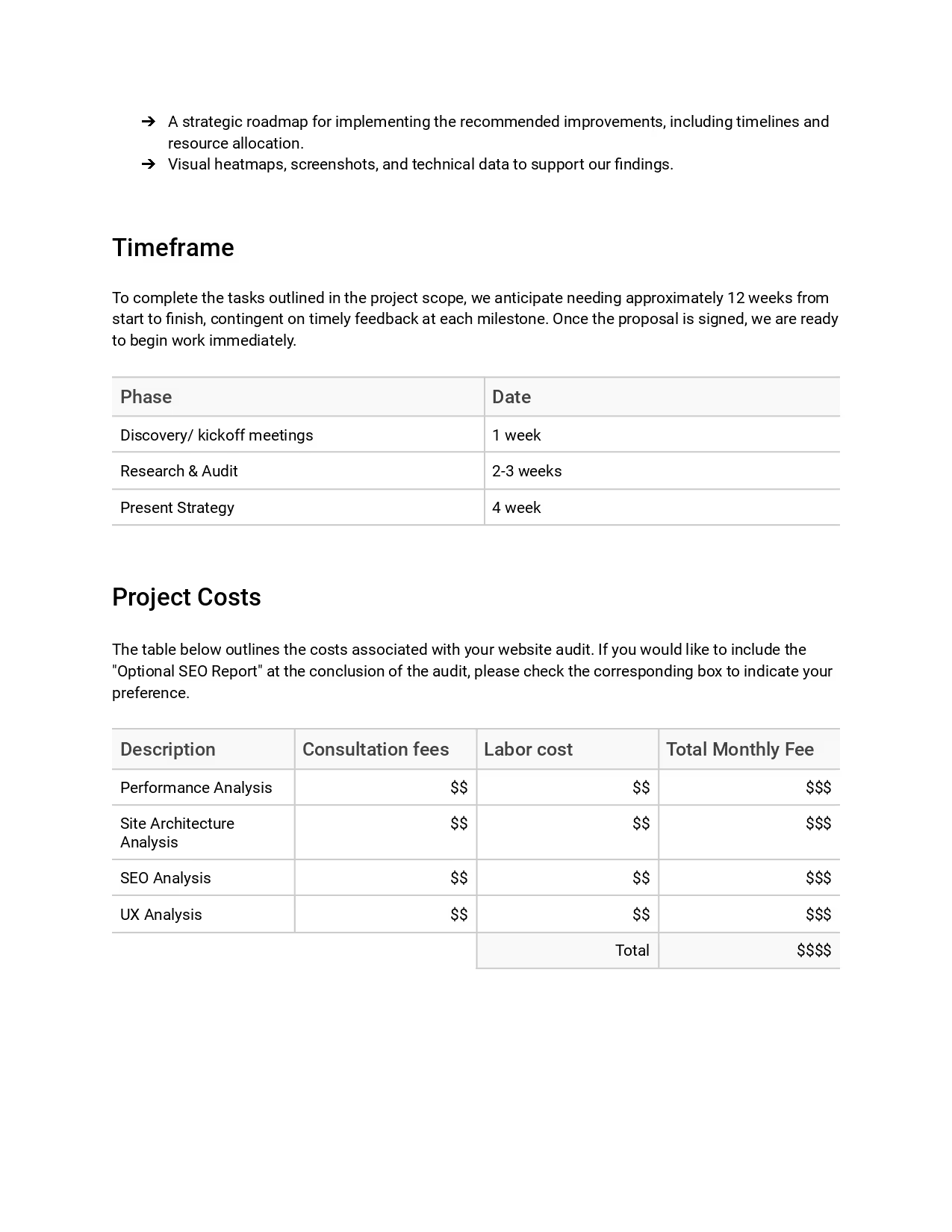
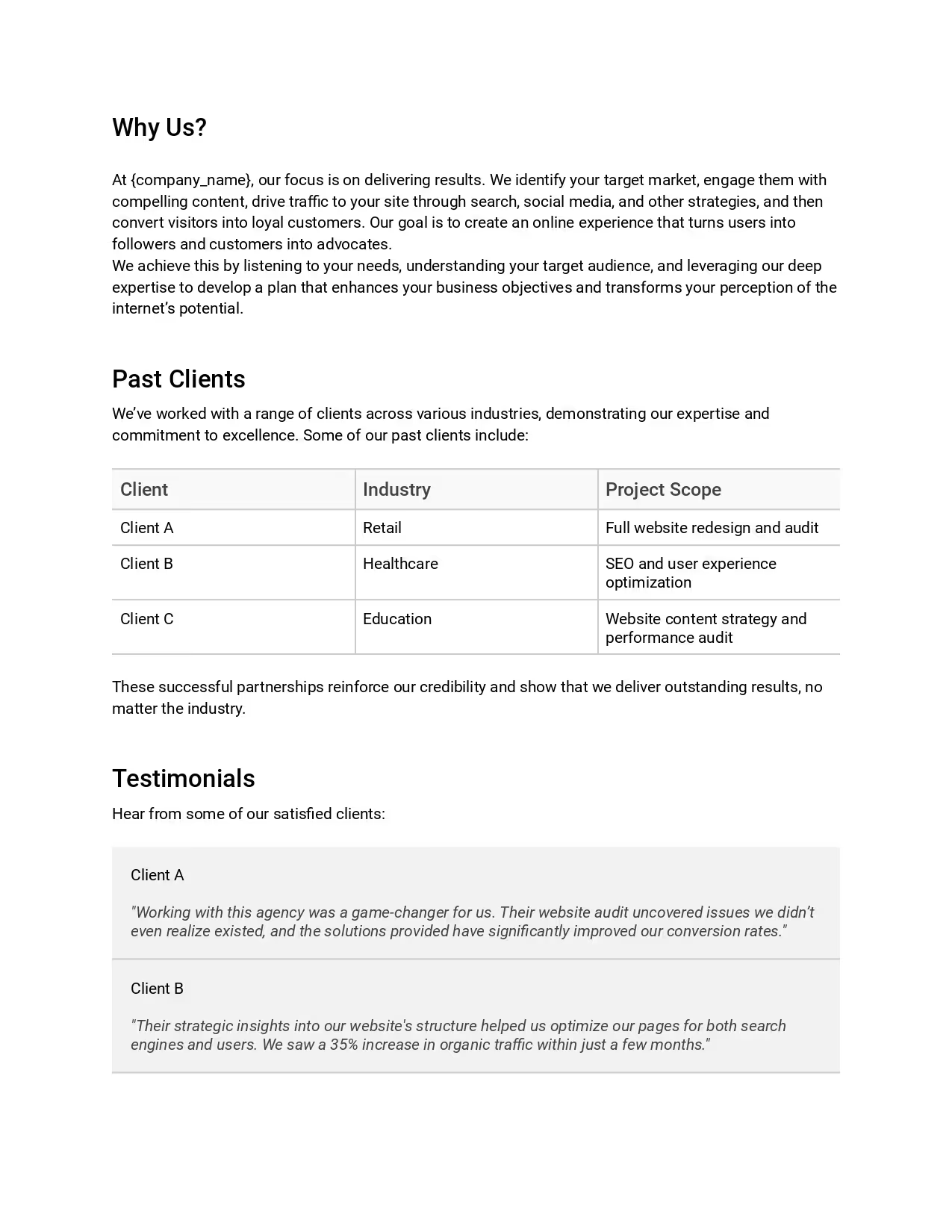

What will you get in the Website Strategy Audit Proposal Template?
Our website strategy audit proposal template comes with a pre-structured layout that enables you to craft professional proposals in no time.
Frequently
Asked Questions
A website audit is essential for identifying areas of improvement and ensuring optimal performance. It evaluates the site's design, content, functionality, and technical aspects to enhance user experience and engagement.
By analyzing factors such as load speed, mobile responsiveness, and SEO effectiveness, an audit helps pinpoint issues that could hinder visibility and conversions.
Additionally, it uncovers outdated content or broken links that may frustrate users. Regular audits allow businesses to stay competitive, adapt to changing market trends, and align their online presence with their marketing strategies, ultimately driving more traffic and conversions.
Auditing a website involves a systematic evaluation of its performance, usability, and compliance with best practices. Key strategies include conducting a technical SEO analysis to identify issues like broken links, page load speed, and mobile-friendliness.
A content audit assesses the quality, relevance, and optimization of on-page content, ensuring alignment with target keywords.
User experience is evaluated through navigation structure, design consistency, and accessibility. Analytics tools help monitor user behavior and identify high-exit pages.
Finally, competitive analysis benchmarks the site against industry standards, highlighting areas for improvement and opportunities to enhance overall effectiveness and visibility.
A website audit proposal should include an overview of the audit's objectives, such as assessing site performance, SEO, user experience, and content quality. It should detail the scope of work, including technical analysis (e.g., site speed, mobile-friendliness), SEO audit (keywords, meta tags, backlinks), and user experience review (navigation, design). The proposal should also outline the audit process, timeline, and deliverables, such as a comprehensive report with recommendations.
Additionally, mention the tools and methodologies used, pricing structure, and how the audit will help enhance site performance, improve search rankings, and drive conversions.
A website strategy audit is a comprehensive evaluation of a website's effectiveness in achieving business goals. It involves analyzing key aspects such as design, user experience, content, SEO, performance, and conversion rates.
The audit identifies strengths and weaknesses, determining whether the site aligns with the overall marketing strategy and user expectations. It examines factors like navigation, mobile responsiveness, and call-to-action effectiveness while also assessing how well the site attracts and engages its target audience.
The outcome is a set of actionable recommendations to enhance website performance, improve user experience, and optimize conversions.
To audit a website effectively, start by assessing its overall performance, including loading speed and responsiveness on different devices. Analyze the site's structure, ensuring intuitive navigation and clear URLs.
Evaluate on-page SEO factors like title tags, meta descriptions, header tags, and keyword usage. Check for broken links and redirect issues, which can impact user experience and search rankings. Review the content for quality, relevance, and engagement.
Additionally, analyze user behavior through tools like Google Analytics and Hotjar to identify areas for improvement. Finally, ensure compliance with accessibility standards and security protocols to provide a safe user experience.
Regular website audits are essential for maintaining optimal performance and user experience. Ideally, you should conduct a comprehensive audit at least once a year, focusing on various aspects such as SEO, content quality, usability, and security. However, more frequent audits—once per quarter—can be beneficial, especially for rapidly changing industries or websites with regular updates.
Additionally, it’s crucial to perform ad-hoc audits whenever significant changes are made, such as website redesigns, migration, or major content updates. Regular audits help identify issues, improve search rankings, and enhance user engagement, ultimately contributing to your website's success.
The website audit process typically takes anywhere from a few days to a couple of weeks, depending on the complexity and size of the website. Initial assessments usually involve analyzing key elements such as site structure, content quality, SEO performance, and user experience. Smaller websites may complete audits within a few days, while larger, more intricate sites may require more time for thorough analysis.
Start by introducing the purpose of the audit, emphasizing its role in enhancing user experience and achieving business goals.
Detail the website audit process, including assessing site structure, content quality, technical performance, and compliance with SEO best practices. Include a timeline for completion and deliverables, such as a comprehensive report with actionable recommendations.
Finally, highlight the value of your expertise in identifying areas for improvement and driving measurable results, ensuring a strong return on investment for the client.
To effectively use Zomentum’s website audit proposal template, start by customizing it to align with your specific client needs and industry standards. Fill in the template with a detailed assessment of the client's website, focusing on key areas like website performance, user experience, and site speed.
Incorporate visual elements such as charts and graphs to enhance the presentation of data. Clearly outline your findings, recommendations, and the expected impact of proposed changes.
Finally, set a timeline and budget for the implementation of improvements, ensuring that the proposal reflects your expertise and builds trust with the client.
Invest your time in building client relationships,
not crafting sales proposals.
Average Win Rate on Proposals
Build Quote with our AI Module
Jump In Conversion Rate
More templates you might find useful
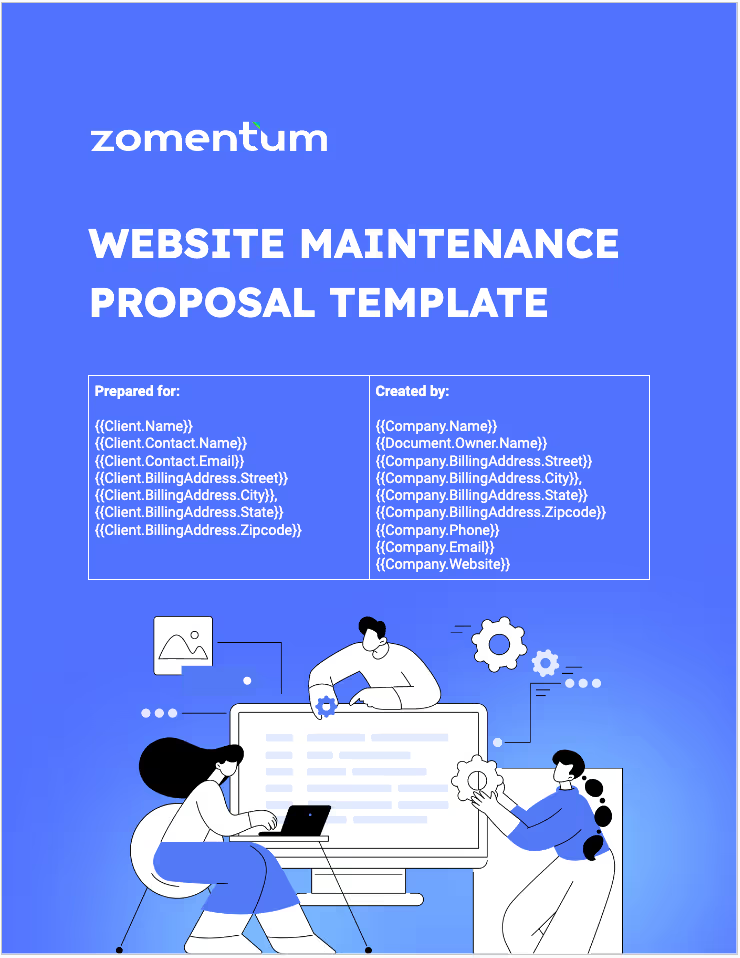
Website Maintenance Proposal Template

Technology Maintenance Agreement Template

The Ultimate Guide to Client Onboarding
What our Customers say about us
No clunky spreadsheets. No more multiple tools & endless tabs. Just revenue. Zomentum’s AI powers your

"Initially, we used it to overcome Microsoft's NCE hurdles with digital signage agreements. But then we discovered its versatility. Now, we rely on Zomentum to effortlessly build proposals, create business cases, and attach quotes directly to the proposal. It's streamlined our entire process, from proposal to billing. And it also integrates seamlessly with Autotask - our PSA and allows us to pull products and services from our inventory effortlessly."


"With the AI Proposal Writer, we save 1 hour every day, allowing us to focus on other important tasks. The Template Library has been a lifesaver, enabling us to swiftly create quotes across various products. Zomentum's standardization of our proposals ensures consistent messaging for all clients, resulting in improved quote-to-closure rates."


"The document template makes our sales proposals a more modern experience with embedded videos and multi-stakeholder digital signatures with a customizable sales pipeline system. Zomentum replaces multiple products with a single, fully integrated solution that solves many of the challenges we encountered with other platforms."


"Zomentum has truly transformed our proposal process, making it more efficient and professional. With its revenue automation features, we've experienced a remarkable increase in productivity, saving us valuable time. The AI Writer is a game-changer, allowing us to create personalized and high-quality content for each proposal quickly. It has significantly improved our lead conversion rate, enabling us to focus on the next opportunity."

Leave Documents to Us
You go Win Deals!
Create, share, sign and get paid all on Zomentum.